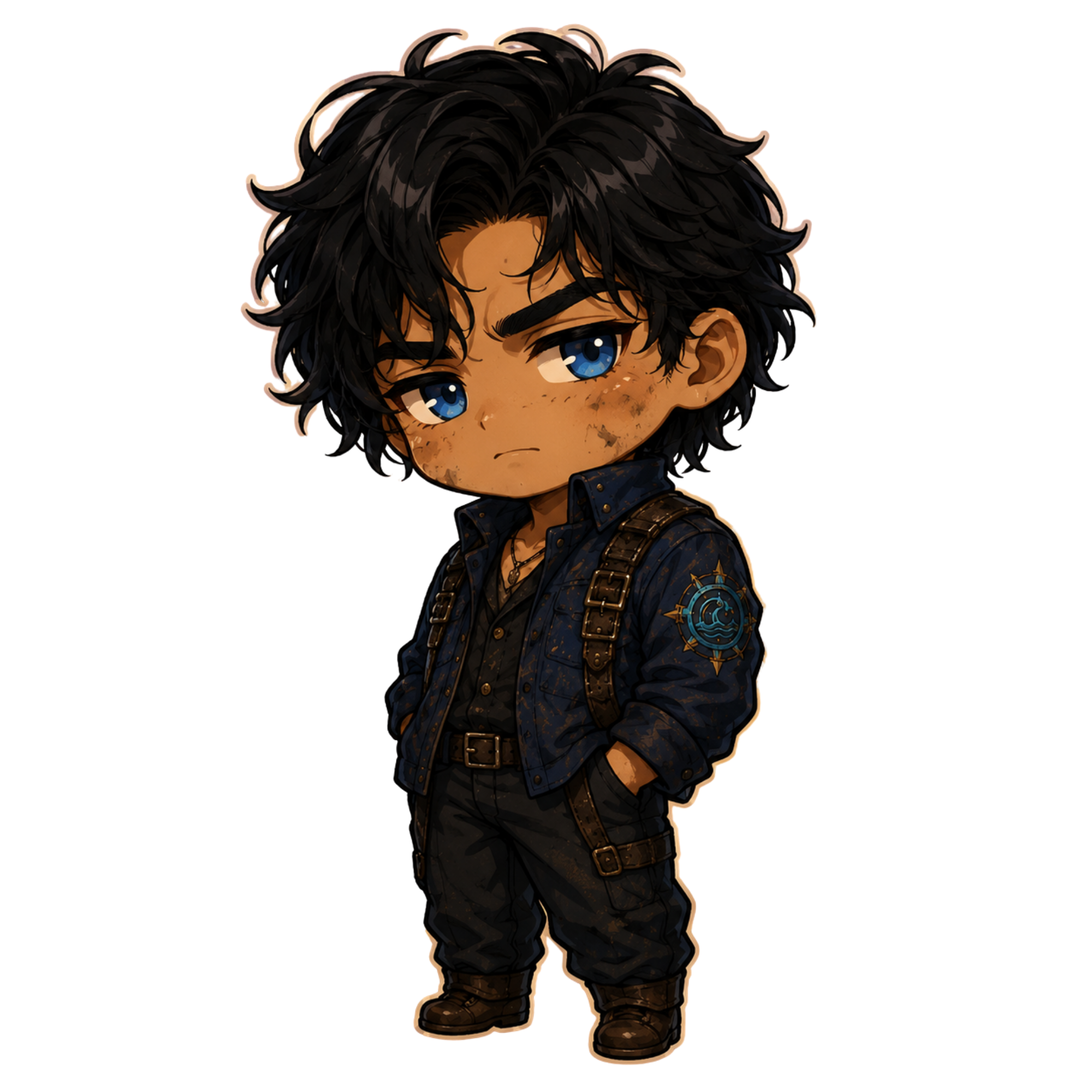
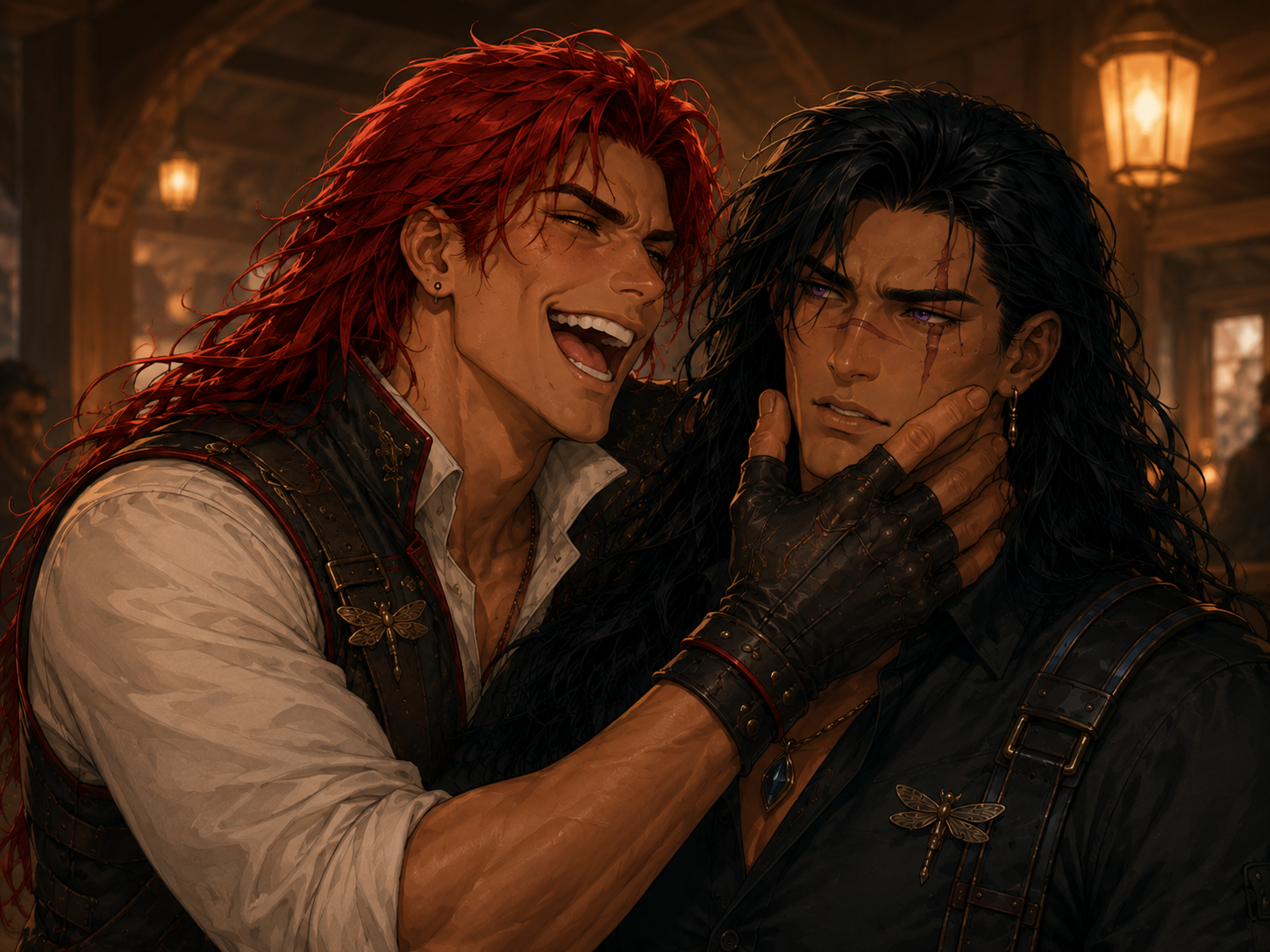
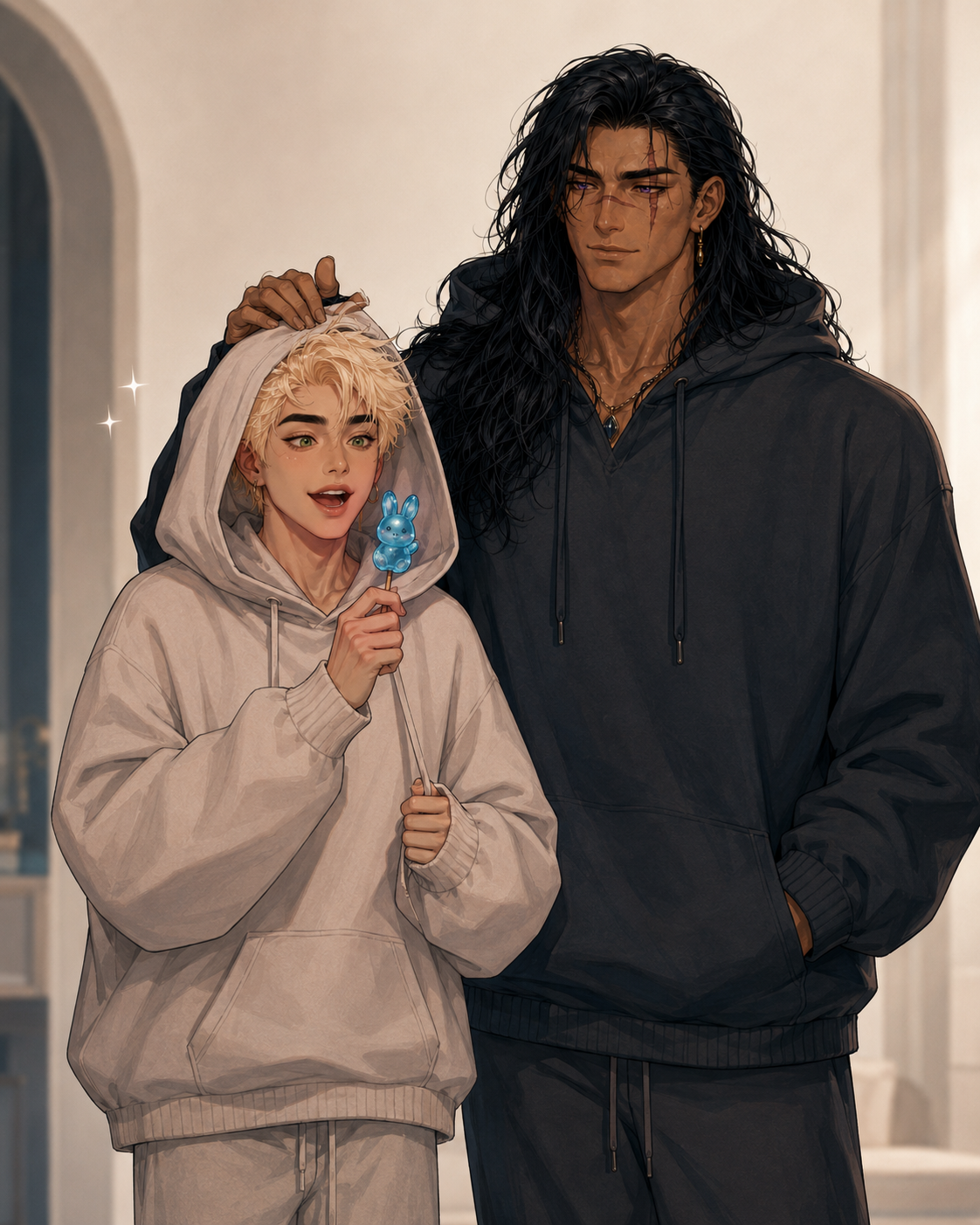
I was not the only one working.
Adults missed that at first.
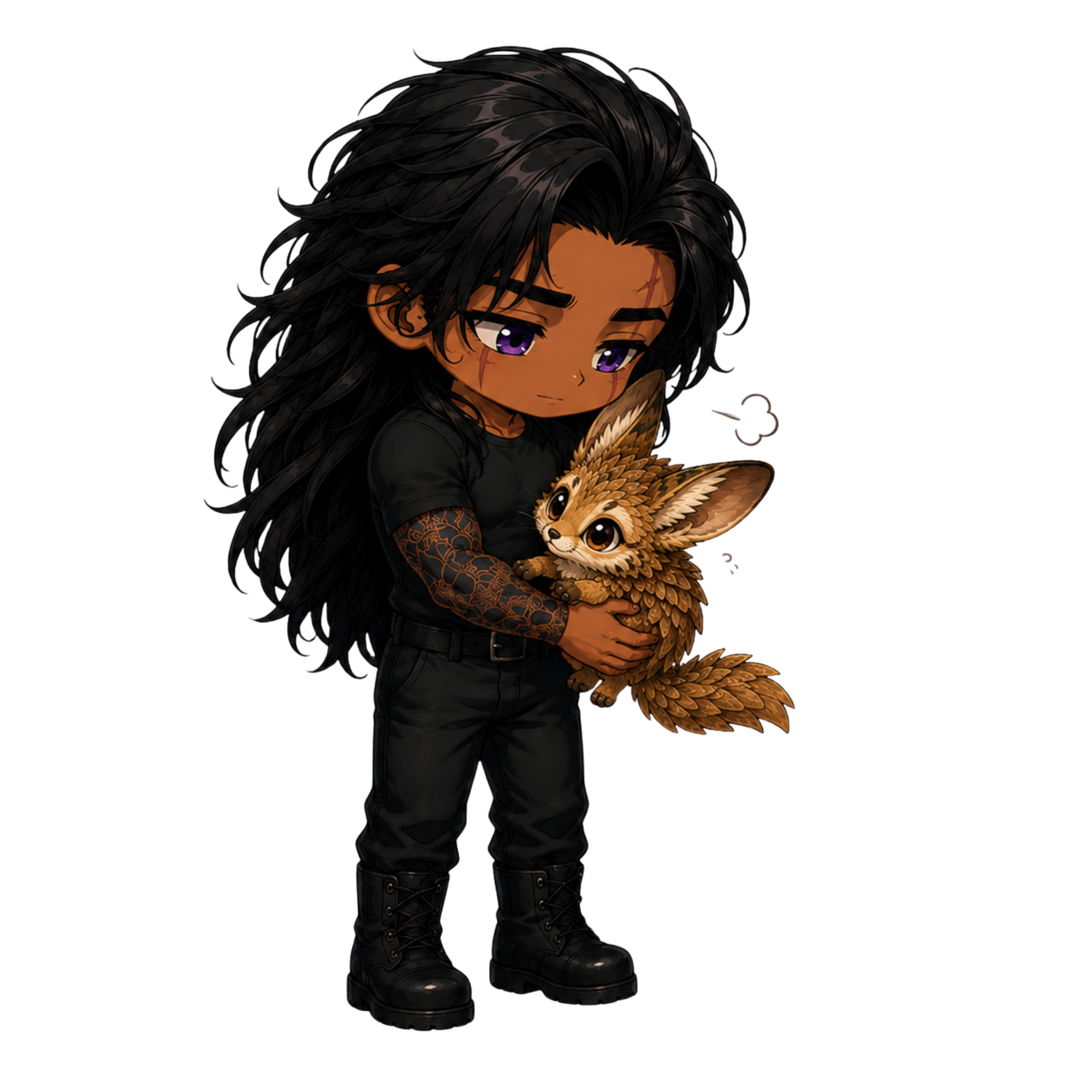
They looked at me and saw labor clearly. Stable shifts. Training hours. Dragonfly care. Route schedules. Bond supervision. Tidewell work. A boy making himself useful in ways the city knew how to record.
Kri’s work was quieter.
A sleeve mended before class.
A torn cuff fixed during lunch.
A loose hem caught with thread he kept hidden in his bag.
A patch sewn onto a younger child’s uniform so neatly the child stopped crying over the tear.
At first, people asked because Kri was kind and quiet and easy to approach if they were gentle.
Then they asked because he was good.
Then they started bringing things to him.
A shirt that pulled wrong at the shoulder.
A skirt that needed taking in.
A school sash with a snagged edge.
A work jacket with a split seam.
A festival ribbon someone’s guardian would be furious about if it stayed ruined.
Kri said yes too often.
I noticed that too.
“You don’t have to fix everything people hand you,” I told him.
“I know.”
“You say yes like you don’t.”
Kri smiled faintly without looking up from his needle.
“You say yes to every extra stable shift.”
“That’s different.”
“It’s really not.”
I hated when Kri got old enough to be right.
His stitches had changed.
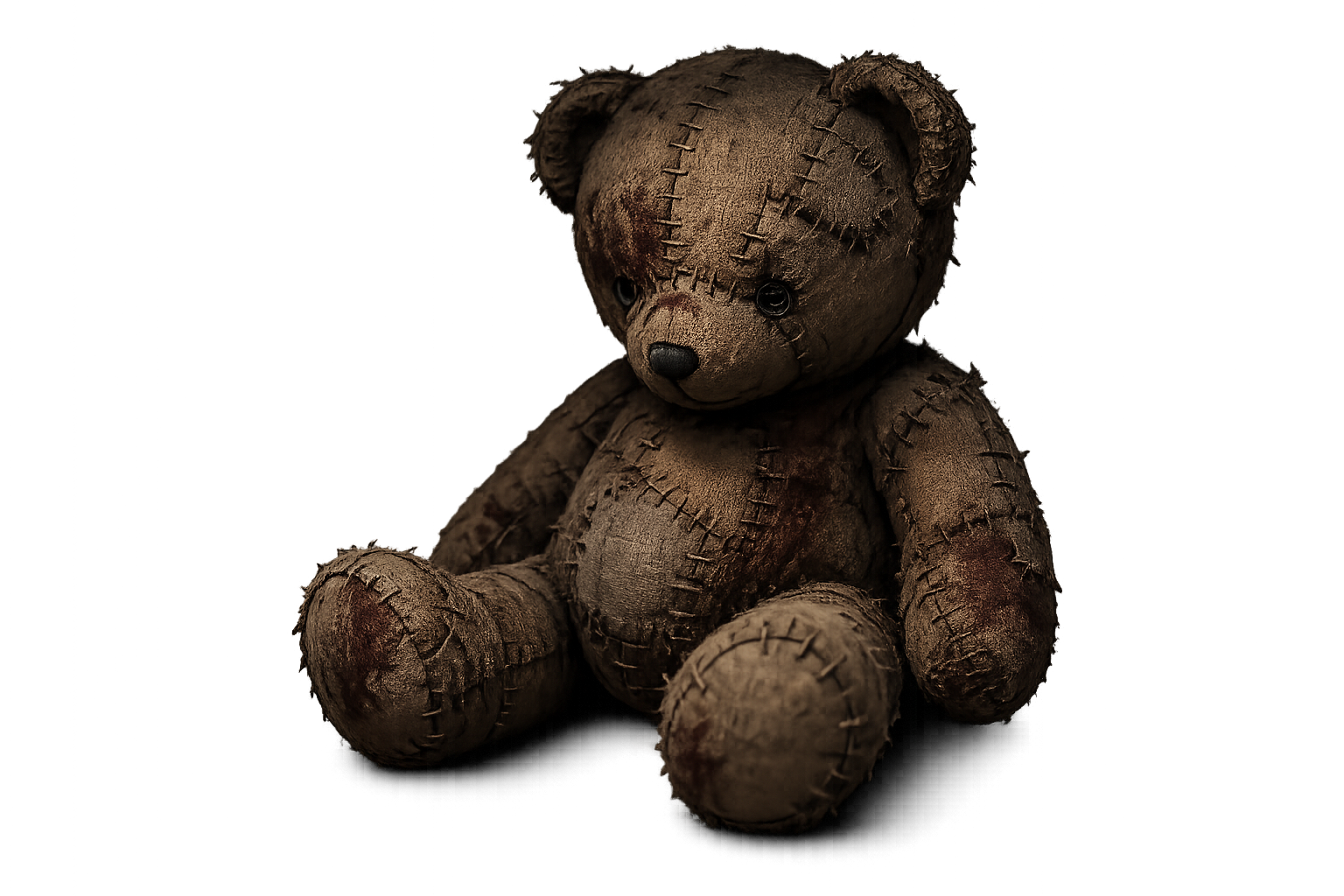
The boy whose first repair had bunched Teddy’s chest into a crooked little knot now stitched in clean, careful lines. Not perfect. Better than perfect sometimes, because he knew where to let old fabric keep its shape and where to guide it into something new.
He did not just mend.
He listened to cloth.
I never said that aloud.
But I saw it.
Kri could touch a garment and understand where someone moved too stiffly, where they pulled at a sleeve when anxious, where a seam had failed because the wearer needed more room and was too embarrassed to ask for it.
He made clothes kinder.
That was a dangerous kind of talent.
Because people noticed kindness when it made them look beautiful.
The dress came one week before the school formal.
The girl was from Skyward. Everyone knew it before she said a word.
Gold thread at her cuffs. Hair pinned with tiny sun-glass beads. Shoes that had never known emergency ration dust. The kind of posture that came from being taught, very young, that rooms would make space if she entered them correctly.
She arrived furious and trying not to cry.
That was why Kri helped her.
Not because she was important.
Because she was holding a garment bag like it contained a body.
Her dress had been altered wrong. The bodice pulled. The hem was uneven. The formal was in six days.
Kri held out his hands.
The girl hesitated, then gave him the dress.
It was expensive. Pale gold fabric. Layered sheer panels. Delicate beadwork like falling light.
Kri did not look impressed.
He looked at the seams.
“Oh,” he said.
The girl’s face crumpled.
“Is it that bad?”
“No. It’s just fighting you.”
I stared at him.
The girl stared too.
Kri smoothed the fabric with both hands.
“It was fitted like you’re supposed to stand still. But you don’t stand still, do you?”
The girl went quiet.
Kri glanced up.
“You dance.”
That was when she really looked at him.
Not as the quiet Kaori boy.
Not as Mizu Kurohana’s little brother.
At him.
For six days, Kri worked on the dress.
Before lessons. After lessons. During lunch. In thin stolen hours before lights-out when I came back smelling like dragonfly stables, water systems, wind, and exhaustion.
I hated the dress by the third day.
Not because of the work.
Because of what it did to Kri.
Kri came alive over it.
That should have made me happy.
It did, somewhere under the fear.
But the happiness had teeth because Kri was so visible when he worked.
Students stopped to watch.
Girls from Skyward whispered.
A teacher asked where he had learned his technique.
Kri said, “My brother taught me.”
I had to leave the room.
I had taught Kri to close Teddy’s wounds.
I had not understood I was teaching him to open a door.
On the final fitting, the dress no longer fought.
It moved.
The gold layers shifted like light over water. The beadwork no longer dragged the bodice down. The hem lifted just enough to keep from tangling under her feet. The seams shaped to the girl instead of forcing the girl to behave like a display form.
For a moment, the Skyward girl forgot to be composed.
She turned in front of the mirror, and her face changed.
Not prettier.
Freer.
Kri saw it.
I saw Kri see it.
That was the dangerous part.
Because Kri understood then that clothing could do more than cover damage.
It could give someone permission to become visible.